
"Prophets are inspired to provide us with
prophetic priorities to protect us from dangers. As an example, President Heber
J. Grant, the prophet from 1918 to 1945, was inspired to emphasize adherence to
the Word of Wisdom, the principle with a promise revealed by the Lord to the
Prophet Joseph. He stressed the importance of not smoking or drinking
alcoholic beverages and directed the bishops to review these principles in
temple recommend interviews.
At that time smoking was accepted by society as an
appropriate, even glamorous, behavior. The medical profession accepted smoking
with little concern because the scientific studies linking cigarette smoking
with several kinds of cancer were far in the future. President Grant counseled
with great vigor, and we became known as a people who abstained from drinking
and smoking.
Starting in the late 1960s, illegal drug use reached
epidemic proportions throughout the world. While there were some members who
rebelled, the vast majority of LDS youth were able to avoid the devastating use
of drugs.
Obeying the Word of Wisdom gave our members, especially
our youth, a preventive inoculation against drug use and the resulting health
problems and moral hazards. Unfortunately, there appears to be a resurgence of
drug use in our own day. Living the Word of Wisdom today will free you from some
of the most serious dangers you can face in this life."

"Staying on the gospel path of covenants,
commandments, and ordinances protects us and prepares us to do God’s work in
this world. When we obey the Word of Wisdom, our agency is protected from
addictions to substances like alcohol, drugs, and tobacco. As we pay our
tithing, study the scriptures, receive baptism and confirmation, live for the
constant companionship of the Holy Ghost, partake of the sacrament worthily,
obey the law of chastity, prepare for and receive the Melchizedek Priesthood,
and make sacred covenants in the temple, then we are prepared to serve."

" Consider sin as a spiritual wound
that causes guilt or, as described by Alma to his son Corianton, “remorse of
conscience” ( Alma 42:18 ). Guilt is to our spirit what pain is to our body—a
warning of danger and a protection from additional damage. From the Atonement
of the Savior flows the soothing salve that can heal our spiritual wounds and
remove guilt. However, this salve can only be applied through the principles of
faith in the Lord Jesus Christ, repentance, and consistent obedience. The
results of sincere repentance are peace of conscience, comfort, and spiritual
healing and renewal."
 "How do we stay close to the Savior? Humbling
ourselves before God, praying always, repenting of sins, entering the waters of
baptism with a broken heart and contrite spirit, and becoming true disciples of
Jesus Christ are profound examples of the righteousness that is rewarded by
abiding peace. After King Benjamin delivered his stirring message concerning
the Atonement of Christ, the multitude fell to the earth. “The Spirit of the
Lord came upon them, and they were filled with joy, having received a remission
of their sins, and having peace of conscience, because of the exceeding faith
which they had in Jesus Christ.” Repentance and living righteously allow for
peace of conscience, which is essential for contentment. When there has been
a major transgression, confession is required to bring peace. Perhaps there
is nothing to compare with the peace that comes from a sin-wracked soul
unloading his or her burdens on the Lord and claiming the blessings of the
Atonement. As another favorite Church hymn puts it, “I’ll drop my burden at his
feet and bear a song away.”
"How do we stay close to the Savior? Humbling
ourselves before God, praying always, repenting of sins, entering the waters of
baptism with a broken heart and contrite spirit, and becoming true disciples of
Jesus Christ are profound examples of the righteousness that is rewarded by
abiding peace. After King Benjamin delivered his stirring message concerning
the Atonement of Christ, the multitude fell to the earth. “The Spirit of the
Lord came upon them, and they were filled with joy, having received a remission
of their sins, and having peace of conscience, because of the exceeding faith
which they had in Jesus Christ.” Repentance and living righteously allow for
peace of conscience, which is essential for contentment. When there has been
a major transgression, confession is required to bring peace. Perhaps there
is nothing to compare with the peace that comes from a sin-wracked soul
unloading his or her burdens on the Lord and claiming the blessings of the
Atonement. As another favorite Church hymn puts it, “I’ll drop my burden at his
feet and bear a song away.”

Sacrifice
Elder Dallin H. Oaks April 2012 General Conference
"The atoning sacrifice of Jesus Christ has been
called the “most transcendent of all events from creation’s dawn to the endless
ages of eternity.” 1 That sacrifice is the central message of all the prophets.
It was prefigured by the animal sacrifices prescribed by the law of Moses. A
prophet declared that their whole meaning “point[ed] to that great and last
sacrifice [of] … the Son of God, yea, infinite and eternal” ( Alma 34:14 ).
Jesus Christ endured incomprehensible suffering to make Himself a sacrifice for
the sins of all. That sacrifice offered the ultimate good—the pure Lamb without
blemish—for the ultimate measure of evil—the sins of the entire world.
That sacrifice—the Atonement of Jesus Christ—is at the
center of the plan of salvation.
The incomprehensible suffering of Jesus Christ ended
sacrifice by the shedding of blood, but it did not end the importance of
sacrifice in the gospel plan. Our Savior requires us to continue to offer
sacrifices, but the sacrifices He now commands are that we “offer for a
sacrifice unto [Him] a broken heart and a contrite spirit” ( 3 Nephi 9:20 ). He
also commands each of us to love and serve one another—in effect, to offer a
small imitation of His own sacrifice by making sacrifices of our own time and
selfish priorities. In an inspired hymn, we sing, “Sacrifice brings forth the
blessings of heaven.” 3"

Elder Dallin H. Oaks April 2012 General Conference
"Just as the atoning sacrifice of Jesus Christ is
at the center of the plan of salvation, we followers of Christ must make our
own sacrifices to prepare for the destiny that plan provides for us."
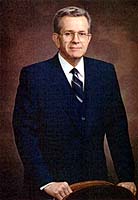 "Agency is defined in the scriptures as “moral
agency,” which means that we can choose between good and evil. The adversary
seeks to tempt us to misuse our moral agency."
"The scriptures teach us 'that every man may act in doctrine and principle pertaining to futurity, according to the moral agency which I have given unto him, that every man may be accountable for his own sins in the day of judgment.'" Doctrine and Covenants 101:78 (These Things I Know, Ensign May 2013 pg. 8)
"Agency is defined in the scriptures as “moral
agency,” which means that we can choose between good and evil. The adversary
seeks to tempt us to misuse our moral agency."
"The scriptures teach us 'that every man may act in doctrine and principle pertaining to futurity, according to the moral agency which I have given unto him, that every man may be accountable for his own sins in the day of judgment.'" Doctrine and Covenants 101:78 (These Things I Know, Ensign May 2013 pg. 8)
